
Therapeutic Services
living end
We offer compassionate, evidence-based therapeutic care tailored to individuals facing the end of life due to chronic illness, as well as their loved ones struggling with grief, loss, and existential distress.

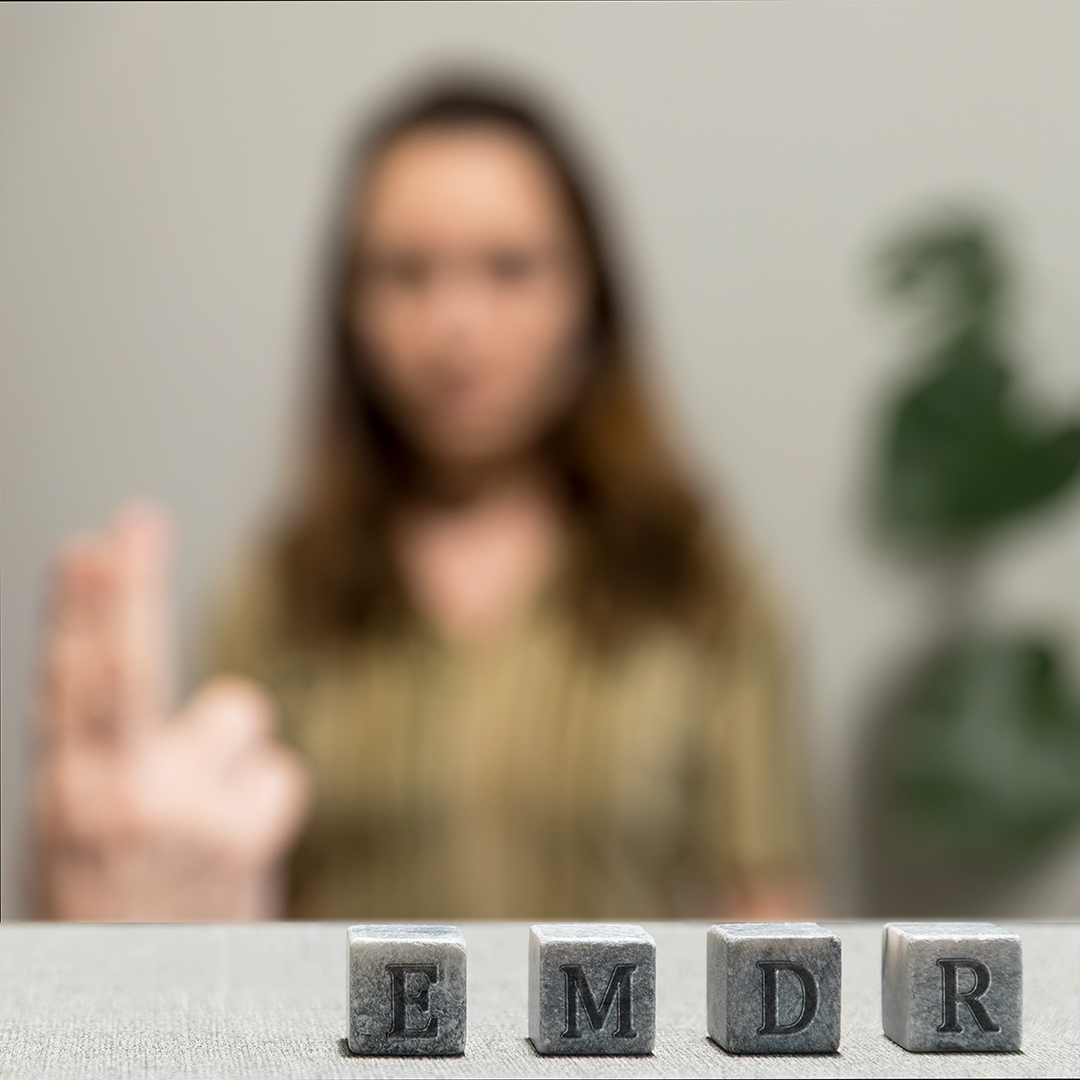
EMDR Therapy for Grief & Trauma
What to Expect
Duration: 60-90 minute sessions
Process: We’ll map out the most distressing memories—loss of a loved one, traumatic details of illness or death—and use bilateral stimulation (eye-movements or gentle tapping) to reprocess and desensitize them.
Clinical Focus: Target complicated grief reactions (e.g., intrusive “what-if” thoughts, nightmares, avoidance) and underlying trauma that can keep you “stuck” in pain, as well as reconnecting with lost loved ones.
Who It Helps
Adults overwhelmed by traumatic aspects of loss (accidents, sudden deaths, prolonged suffering).
Those whose grief keeps resurfacing as flashbacks, hyper-arousal, or persistent guilt.
Outcomes
Reduction in intrusive imagery and distressing physical sensations
Improved ability to remember loved ones without reliving the worst moments
Greater emotional regulation and capacity to re-engage in daily life
Sandplay Therapy for Nonverbal Grief Expression
What to Expect
Duration: 60-90 mins sessions
Process: In our private sand-room, you’ll choose miniatures (figures, natural elements, symbolic objects) to build scenes that reflect your internal world. Your therapist witnesses and gently explores emerging themes.
Clinical Focus: Give voice to grief that feels too deep or chaotic for words—especially helpful for those wrestling with shock, numbness, or a sense of “not knowing” what they feel.
Who It Helps
Adults drawn to creative, symbolic exploration rather than talk-only therapy
Survivors coping with anticipatory grief (e.g., supporting someone with terminal illness)
Outcomes
Access to unconscious material and emotions
Integration of fragmented grief into a cohesive narrative
New insights into relational dynamics and personal resilience


Ketamine-Assisted Psychotherapy for Grief & Existential Distress
What to Expect
Duartion: 90-180 minutes
Structure: Preparatory talk-therapy sessions → Monitored ketamine sessions → Integration sessions
Process: Under clinical guidance, ketamine creates a window for deep introspection. We gently steer your attention toward themes of meaning, connection, and acceptance by recruiting the inner healer.
Clinical Focus: Alleviate treatment-resistant depression, complicated grief, or the crushing “nothingness” that sometimes follows profound loss.
Who It Helps
Adults with persistent, severe grief that hasn’t improved with traditional counseling
Those experiencing existential despair—loss of purpose, overwhelming fear of death, or spiritual crisis
Outcomes
Breakthrough shifts in perspective (e.g., renewed sense of purpose, reconnection to values)
Rapid reduction in depressive or anxious symptoms
Enhanced capacity for hope, acceptance, and emotional openness
Hakomi Therapy for Mindful Healing
What to Expect
Duration: 60-minute sessions
Process: Integrates mindfulness and somatic awareness to gently uncover and transform core patterns influenced by grief. Through experiments involving mindful touch, movement, and inner exploration, you’ll safely access deep emotional experiences.
Clinical Focus: Address how grief manifests in body sensations, habitual reactions, and unconscious beliefs, fostering self-compassion and embodied integration.
Who It Helps
Individuals who sense grief is held physically—tension, pain, or emotional numbness
Those inclined toward experiential, mind-body approaches for healing
People seeking to cultivate present-moment awareness and self-compassion amidst loss
Outcomes
Greater awareness of how grief impacts mind and body
Release of trapped emotions and embodied tension
Enhanced self-compassion and a deeper sense of inner peace


Existential & Spiritual Practices
What to Expect
Format: 60-90 -minute sessions
Process: Through mindfulness, chanting, gratitude and journaling, we explore and embody in real time the big questions: “What gives life meaning?” “How can I honor my grief as part of my path?”
Clinical Focus: Transform fear of death and loss into a catalyst for inner growth and deeper connection to self, others, and the transcendent.
Who It Helps
Anyone seeking to integrate grief into their life story with authenticity and purpose
Individuals drawn to non-judgmental, inquiry-based exploration of mortality
Outcomes
A personalized “meaning framework” to guide how you live and grieve
Practical spiritual practices (meditation, gratitude rituals) for daily resilience
A renewed sense of sacredness in ordinary moments
Group Workshops & Support Circles
Our small-group gatherings create a confidential, compassionate space for sharing, learning, and mutual support. We will work with individuals and families to identify a format that best fits your needs:
Meet & Grieve™
(Open-Circle)
Donation-Based (optional)
Structure: Ongoing, drop-in format; meets monthly for 90 minutes.
Process: Each session begins with a grounding ritual, followed by open sharing—no set agenda, just whatever’s present for you in the moment. A facilitator holds space, offers gentle prompts as needed, and supports the group in listening deeply.
Who It Helps: Those seeking a consistent community to lean on, wherever they are in their grief journey.
Self Awareness
(Closed Circle)
Structure: Closed cohort of 6–8 people, 8 weekly sessions (90 minutes each).
Process: Using Eric Berne’s Transactional Analysis framework, we explore how our “ego-states” (Parent, Adult, Child) react to loss. Through guided exercises—role-plays, group transactions and reflective journaling—you’ll learn to recognize and shift unhelpful patterns (e.g., self-criticism, emotional shutdown) toward more supportive “Adult” responses.
Who It Helps: Individuals ready to deepen self-awareness, understand relational dynamics in their grief (with self and others), and practice new communication strategies for coping and connection.
Intentional Pause
(Open Circle)
Shared Outcomes Across All Circles
Reduced isolation and normalization of grief reactions
Practical coping tools: self-care plans, trigger mapping, memorial rituals
A community network that can extend beyond the formal sessions

These modalities provide individuals and families with the tools to navigate the emotional and psychological complexities of end-of-life experiences with grace, resilience, and dignity.
We Are Here To Help You Navigate End-of-Life Planning.